Author Archives: uvlocalvores

Pocket Park Hellebores!

It was a surprise to come upon these hellebores in the Pocket Park by the MRG tunnel. Hellebores offer a valuable food source for insects, including bees and flies, particularly during early spring when other plants have not yet bloomed, .The downward-facing nature of many hellebore flowers offers protection to the pollen from winter rains and shelter for the insect while it feeds,

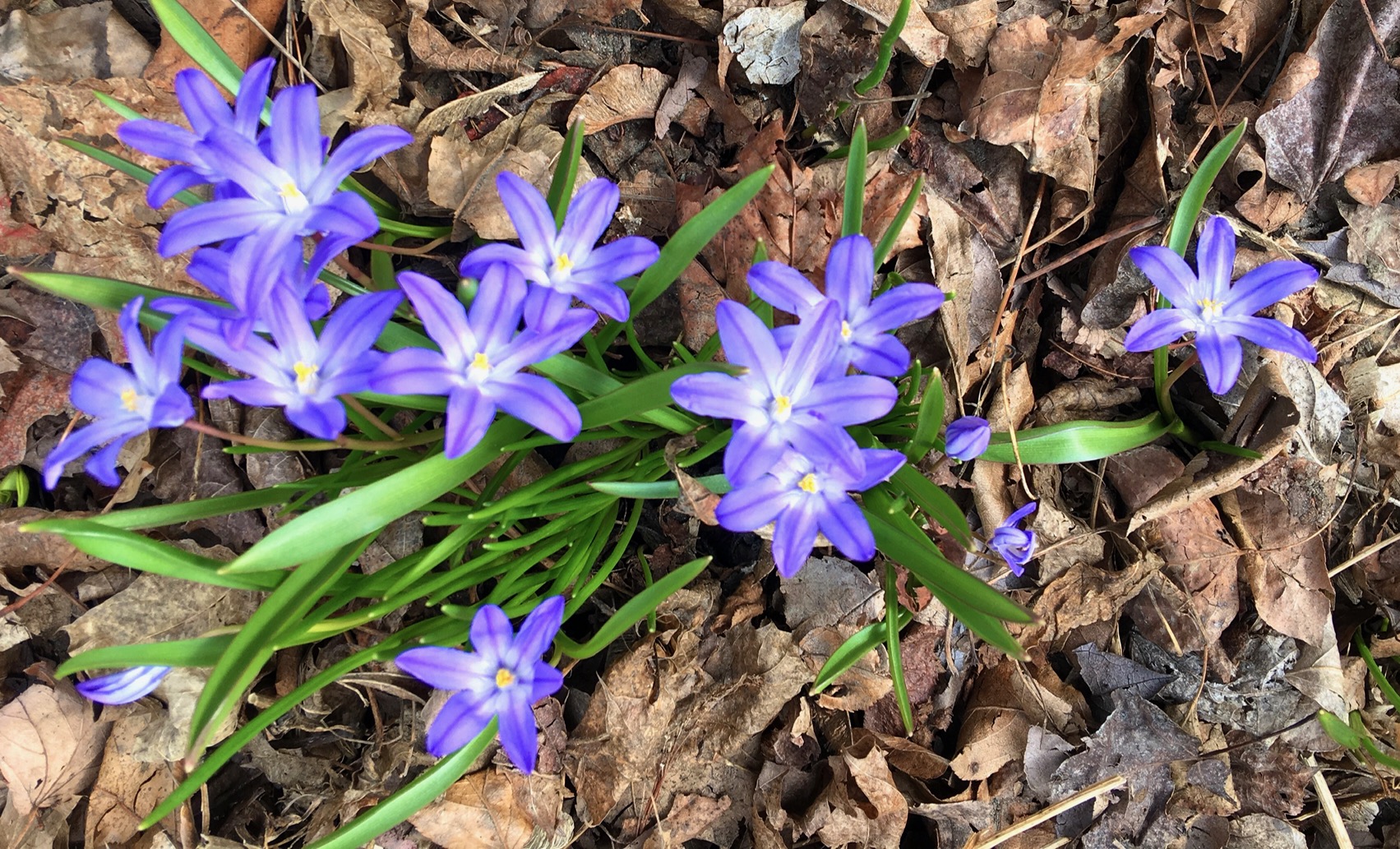
Glory of the Snow!

Such a treat to see this brilliant color on the MRG by the tunnel! Glory of the Snow is one of the first flowers to bloom in the Spring.Thanks to the nectar-rich blooms, the plant is very popular with pollinators such as bees

Oh No! Beavers!

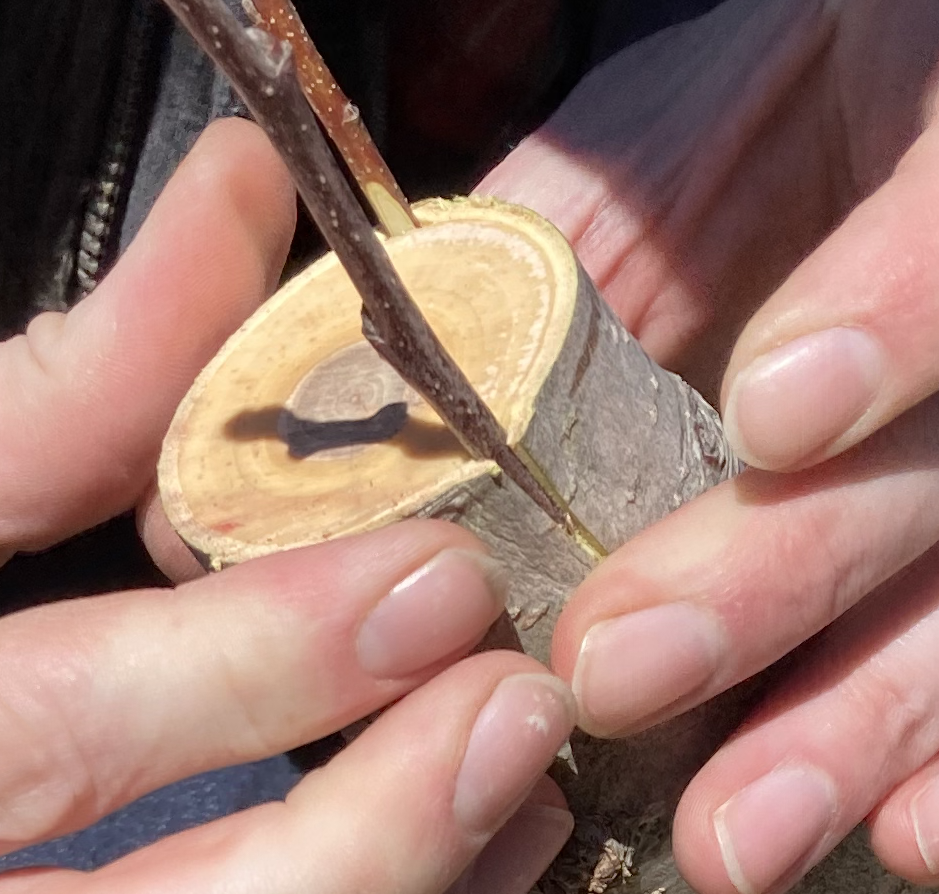
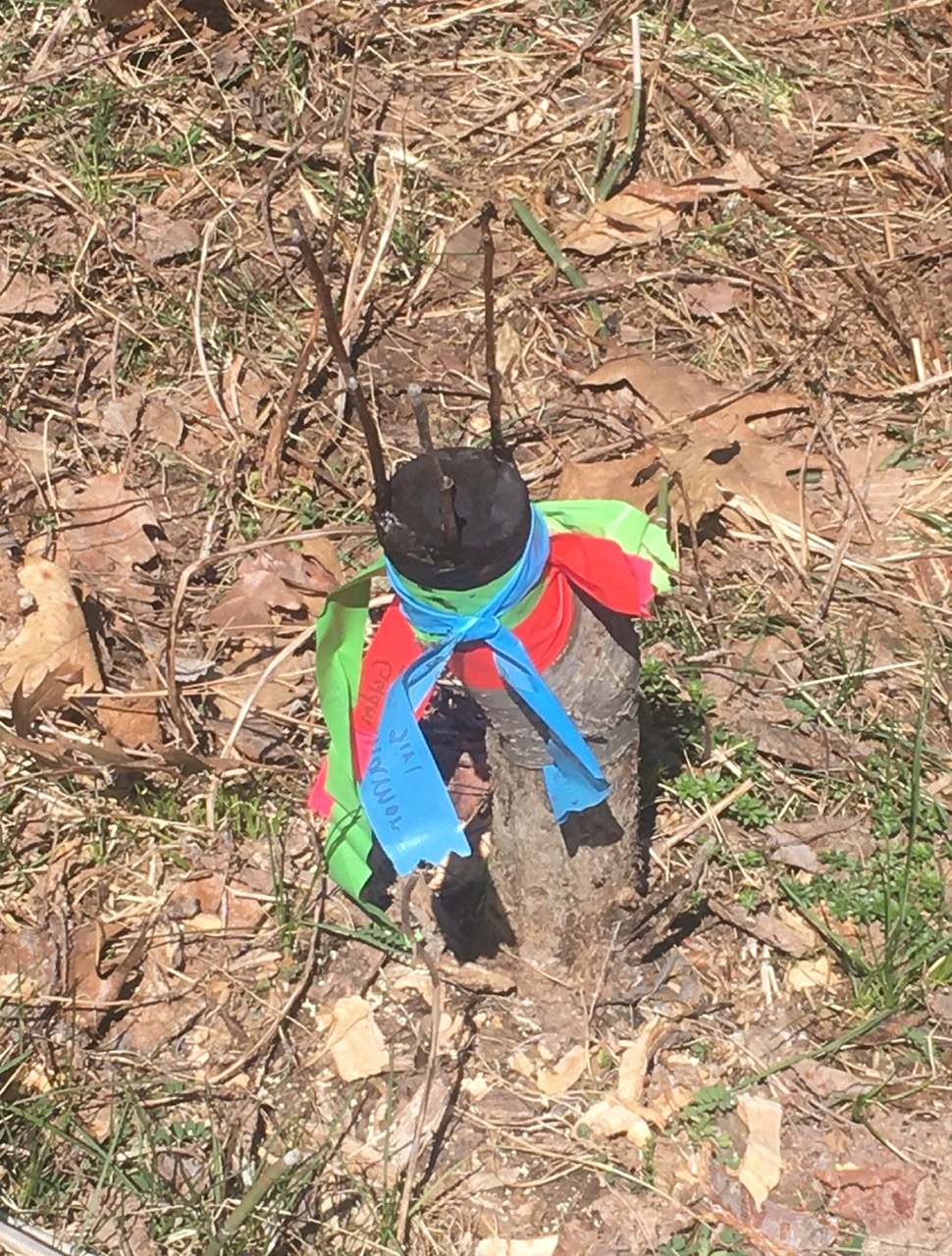
When one plants, it is always with awareness of the threats – frost, aphids, jumping worms, caterpillars, locusts, woodchucks, browsing deer, so many challenges! In spite of the proximity to the Mascoma RIver, we did not anticipate the threat of beavers. But the Russet apple tree, planted near the MRG Umbrella sculpture, during Climate Action Week, September 2019, has been felled. Hope springs eternal; we have an offer of a scion graft – will it take? Stay tuned!

Try Some “Air Vitamins”!

With the recent rains and snowmelt, the Mascoma River was fierce and energizing yesterday. It was not just the roar of the river . . . the air felt different . . . exciting! Thanks to Google, we find that air around waterfalls carries negative ions, which some call “air vitamins”. The splashing of falling water charges the surrounding air with electricity. On impact, some water molecules are wrenched apart and the negatively charged electrons that had held the atoms together are released, only to be snatched up by oxygen, nitrogen and carbon dioxide, components of the surrounding air. These now become negatively charged, and paradoxically, negative ions have a positive effect. Inhaling, delivers them into our bloodstream where they can cause biochemical reactions that increase serotonin levels. Serotonin is a natural mood-influencing chemical that helps reduce the effects of depression, relieves stress, and boosts energy.

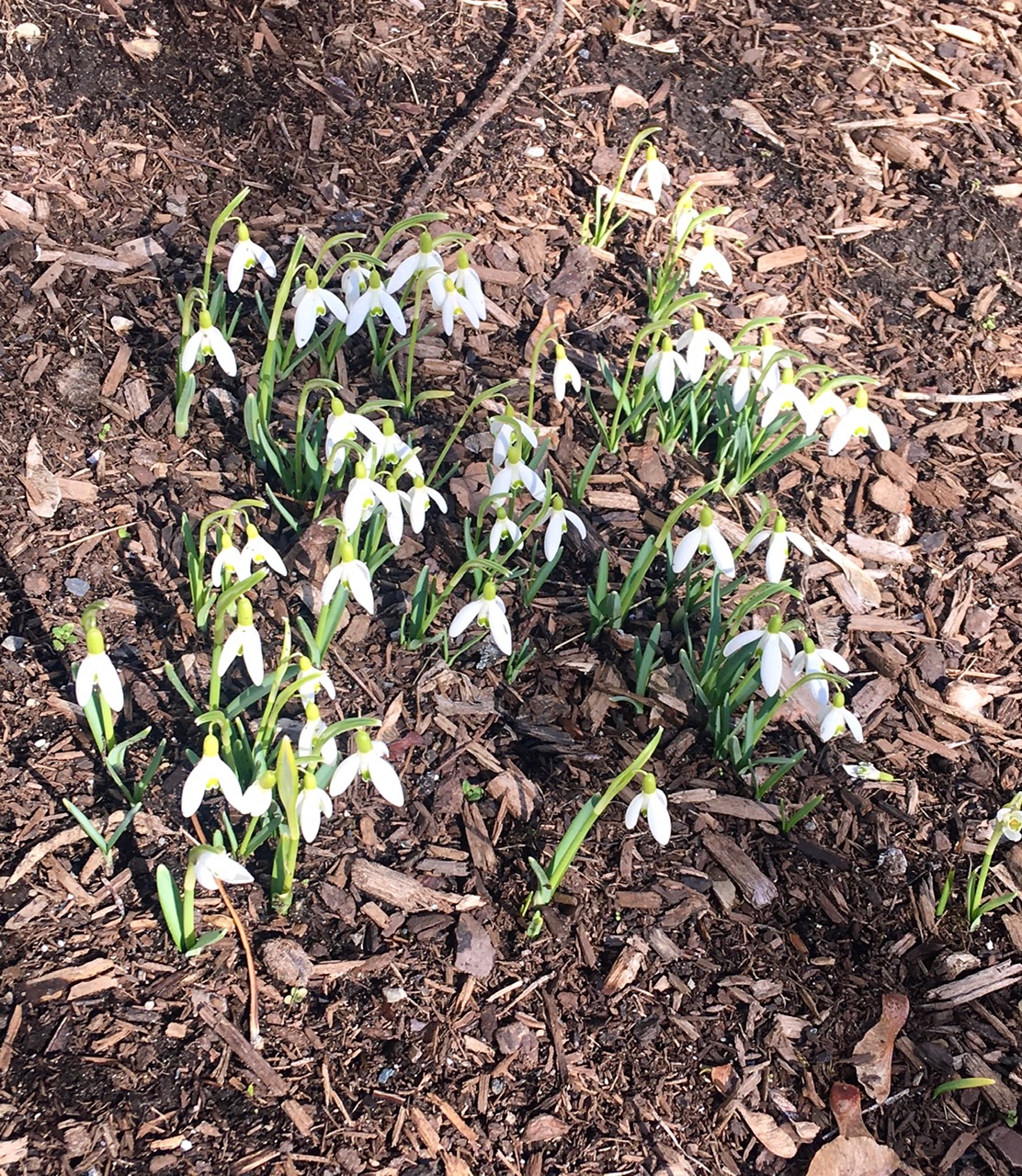
If the current chaos of our world is getting you down, head to the MRG, pick up some negative air ions . . . oh, and check out the snowdrops in the Pocket Park by the tunnel!

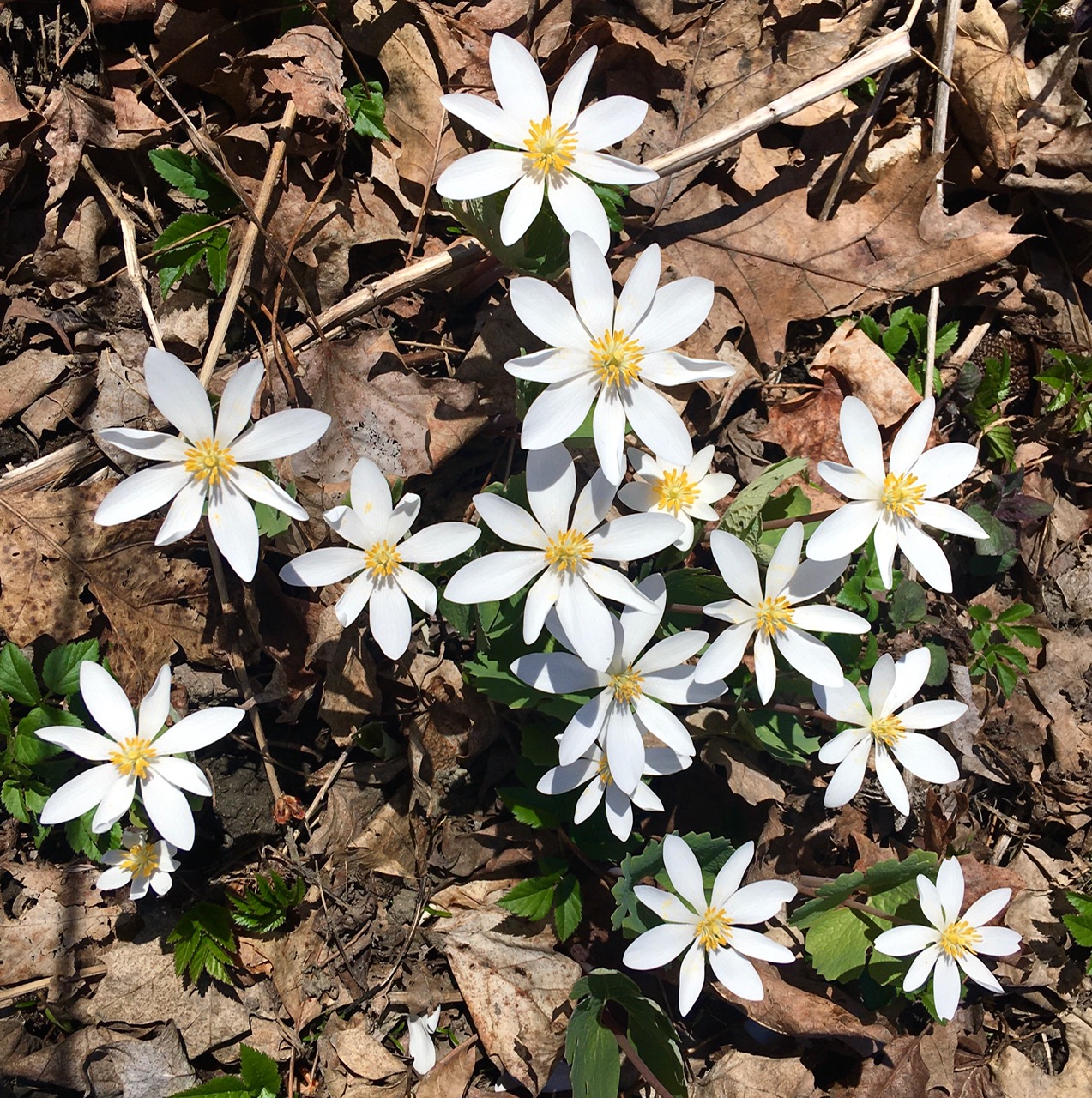
Signs of Spring!

What fun to spot these two on the MRG today! No coats, mittens, boots – such a beautiful day!

Lebanon Pruning Brigade

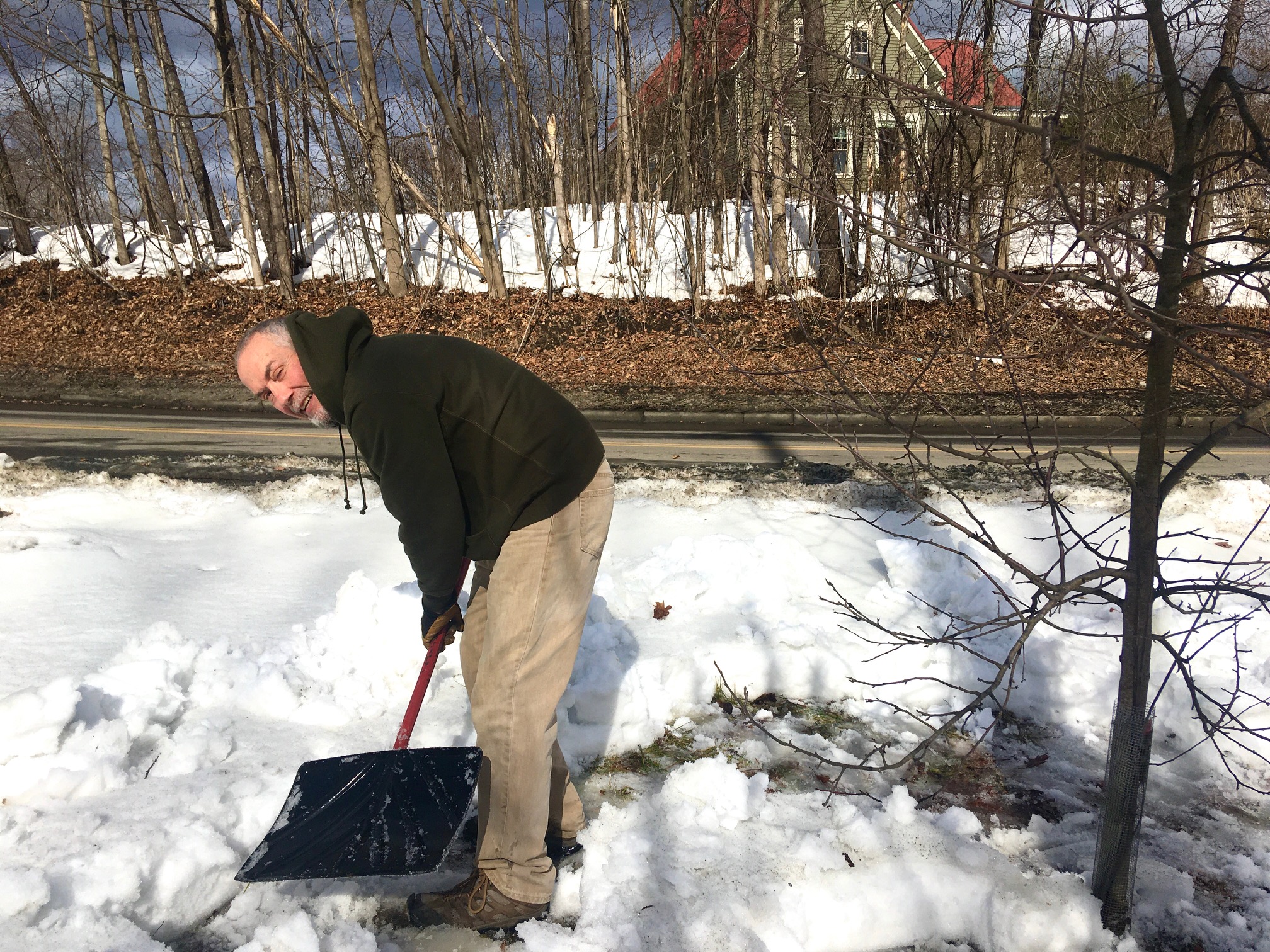
Bart Guetti shoveling a path to reach the snowbound MRG apple trees by APD

Susan Johnson and Bart part of Lebanon’s new Pruning Brigade!

At least 5 Lebanon residents took advantage of Upper Valley Apple Corps free fruit tree pruning workshop this past Saturday and are now equipped to care for fruit trees that have been planted in Lebanon with the help of Apple Corps. There are 3 apple trees on the MRG, one at Lebanon Library, and 2 pear trees at Kilton Library. February is a good time to prune, while the tree is dormant . . . but first you have to shovel a path to the tree.- that snow was wet and heavy!

Aready planning an apple pie! (Thanks to Bart Guetti for photo)

West Lebanon Power Station

The previous “Waterwheels” post brought up curiosity about the abandoned riverside building near the Terri Dudley Bridge/Glen Road area of the MRG. Not much remains of what had once been the West Lebanon Power Station. Thanks to Lebanon Historical Society Curator Nicole Ford Burley, for providinng this photo of the power station that once existed there.

“Wheels”

“Wheels” encapsulates Lebanon’s history in.a neat bundle, from water wheels to railroads and bicycles, with subtle references to the Mascoma River and the Greenway Rail Trail.

As you have walked, run, or biked by the “Wheels” sculpture on the MRG (behind the “Miracle Mile”) have you ever wondered about its meaning? “Wheels” celebrated the opening of the Mascoma River Greenway and was envisioned by Susan K. Johnson of Lebanon.

The waterwheel represents Lebanon’s first sawmill, built in 1763, just downstream from this spot. The steam engine wheel represents the railroad that arrived in 1847. The river and railroad tracks are a map of the current MRG, and the bike wheel represents part of the trail’s purpose today.

One of the MRG’s missions is to connect West Lebanon and Lebanon. This junction of trail, river and road marks the midpoint between the two towns.

This public art project was sponsored by The AVA Gallery and Art Center, Lebanon Recreation and Parks, and the Mascoma River Greenway Coalition.

Roger Goldenberg, the former Studio Manager for the Bente Torjusen West Sculptural Studies Building at AVA Gallery and Art Center, was essential in the construction of “Wheels”. He generously gave advice and crucial assistance, and designed and built the supporting brace. Hypertherm.com donated technical knowledge and the use of their facilities for the cutting of the aluminum river. The train wheel was cut by ThirdShiftFabrication.com. 

July 21, 2018  susankjohnson.com

Here is a bit of history about the original Oliver Davison’s Mill that was built near that site in 1762: (Also known aa Hubbard’s Saw and Grist Mill)

Known owners: Oliver Davison until his death in 1769; Davison estate 1769-1775; Thomas Blake, 1775-c. 1784; Richard Kimball, George Hubbard, Luther Waters, George and Erastus Chamberlain, c. 1784-1814; Samuel Tucker, 1814; William Knight, 1817; Thomas Rae; Uriah Amsden and Orren Hubbard, 1825-1826; Philip Cambridge, 1826-after 1839.

Status & Significance: Rebuilt after 1770 fire. Later became a saw and grist mill, then the cloth dressing mill of Philip Cambridge in the 1830s. Gone by 1860. Despite being the first mill in town, the site has been destroyed and holds no archaeological significance.

Text reference: Leavitt; Downs: 13, 38, 55, 98, 239; Child: 410; Carroll: 7, 43, 81; Lebanonian July, 1899: 7. Deed Book 79, p. 448

Location/Associated Sites: Near Dudley (Hubbards) Bridge/Route 4 Bridge Abutments and 1892 Power Station.

For more Info on the historic water mills of Lebanon see https://lebanonnh.gov/DocumentCenter/View/7051/Mills-of-Lebanon-NH-Presentation

Pollinator Plantings Near the Miracle Mile MRG Access

One of many bright spots along the MRG! Many bees . . . and a rare sighting of a Monarch butterfly! (Monarchs have, unfortunately, been few and far between this summer.) These are some of the flowers sown by the Dartmouth Class of 1989 CHP Project. https://creatinghabitats.org

Finder of the Lost Apple Tree!

Local Hero Locates and Frees Hopelessly Entangled Victim!

On a recent steamy Saturday afternoon, while many of us were sipping iced drinks in front of our fans and air conditioners, local West Lebanon adventurer, Bart Guetti, set out on a quest to the western end of the MRG. His seemingly hopeless task was to locate an apple tree that had been planted in September 2019. Friends of Lebanon Recreation, Upper Valley Apple Corps, and other volunteers had planted it during Climate Strike Week in an effort to enhance MRG habitat..

A veritable jungle had grown up around the apple tree, Thick vines had clambered atop, dominating the environment, and strangling whatever lay in its path. Were it not for the nearly invisible wooden stakes installed last year, and for the determination of our intrepid hero, all would have been lost. Venturing forth by bike, clad in safety vest and neon pith helmet, and armed with machete, he tripped among the vines, struggling, chopping, and eventually, freeing the victim. “Just in the lick of time.  If I had not found it today, we never would have found it – the vines would have won!”

Here is a photo of the rescued Golden Russet apple tree (fondly dubbed “Russ” by our hero) after this stunning rescue. The vines that had clambered atop have been removed, as well as the surrounding tall grasses.

Rescued Golden Russet Apple

Some of the Defeated Vine Debris!

Our hero! Thank you, Bart Guetti!