Spring flowers are mostly yellow or white because they evolved to attract early pollinators, like flies and bees, while requiring less energy to produce. Yellow and white reflect the most light against a backdrop of green foliage, making them stand out easily to insects searching for food as soon as the weather warms.
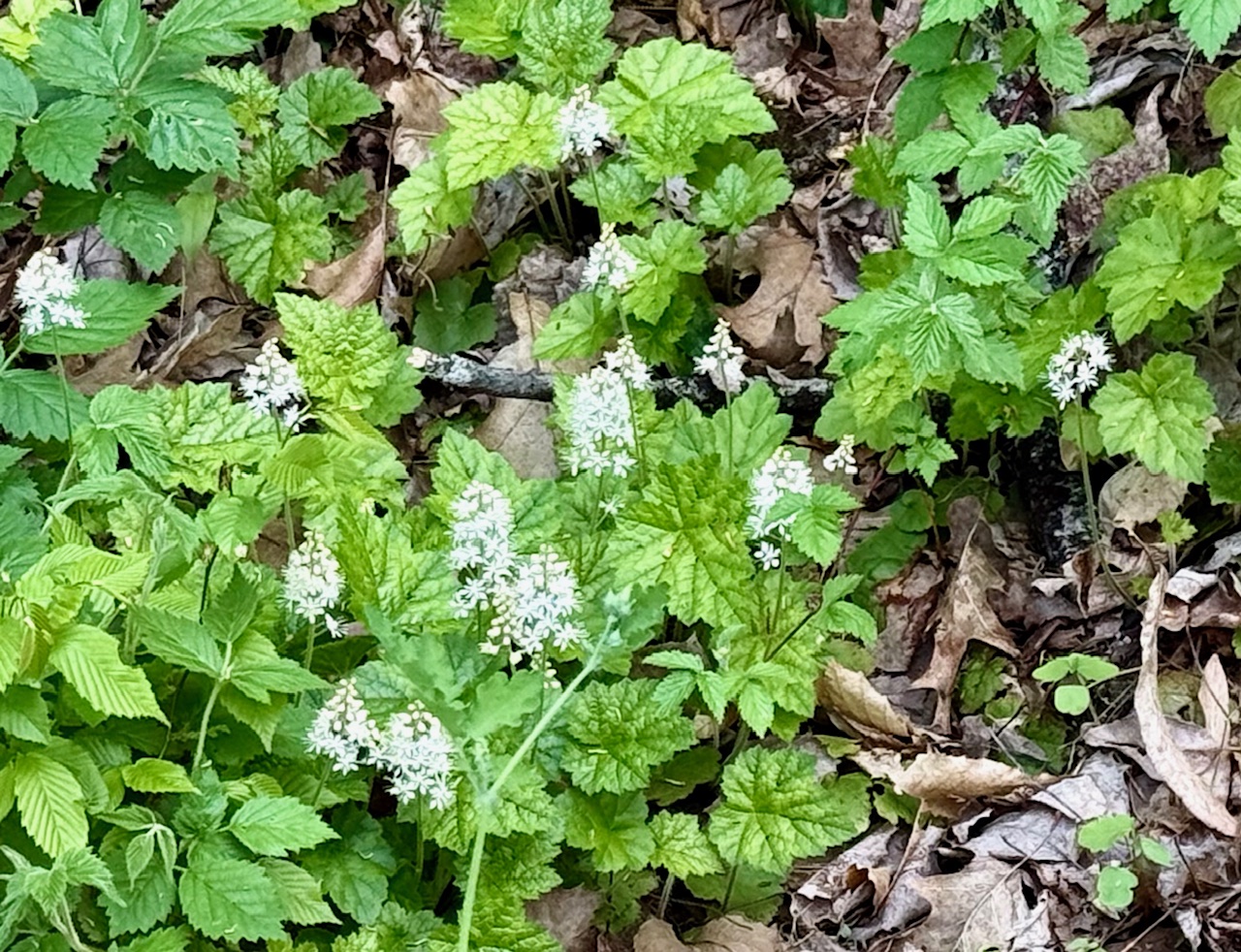
Foamflower (Tiarella cordifolia) is an exceptional early-spring bloomer that supports local ecosystems by providing vital nectar and pollen to emerging insects. Because they flower in the spring, they serve as a critical seasonal food source for pollinators.
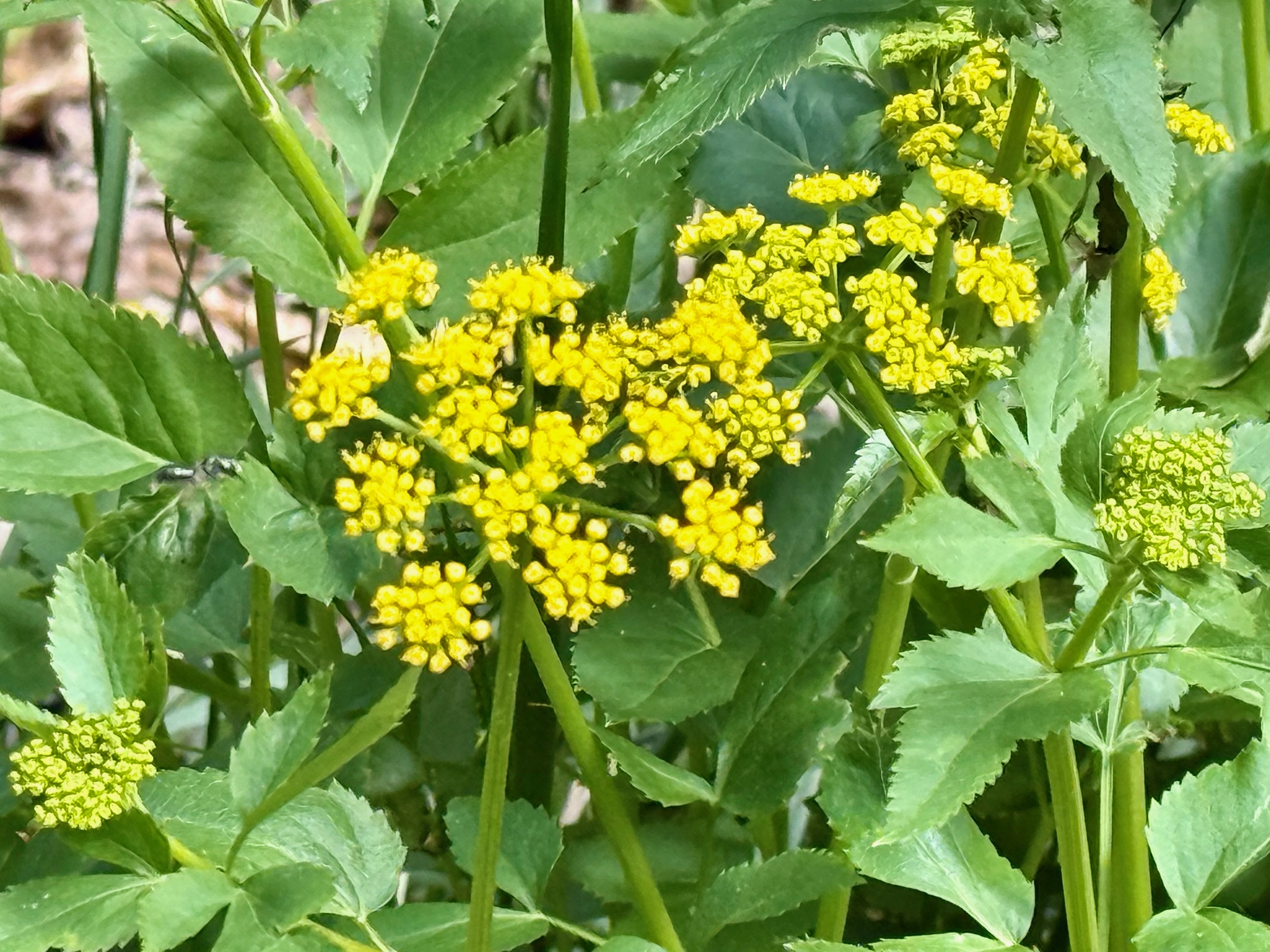
Golden Alexanders (Zizia aurea) are springtime magnets for a diverse array of native pollinators. Because they bloom early in the season and feature accessible flat-topped flower clusters, they are an essential food source for short-tongued insects, butterflies and specialist bees.
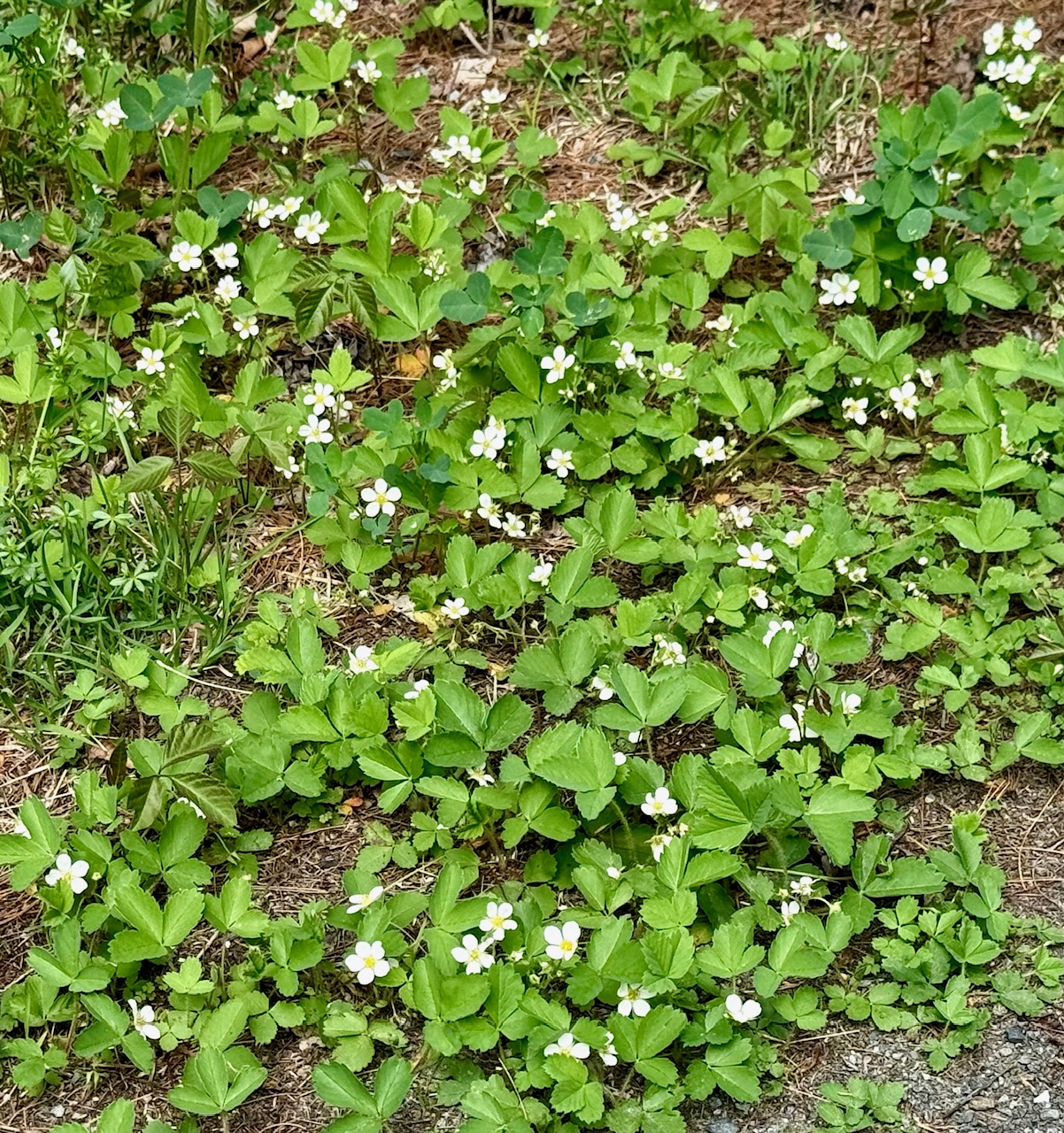
Wild strawberries (Fragaria virginiana) are largely pollinated by native wild bees, flies, beetles, and butterflies. While the plants are capable of self-pollination, insect visits significantly improve fruit size, symmetry, and overall yield.
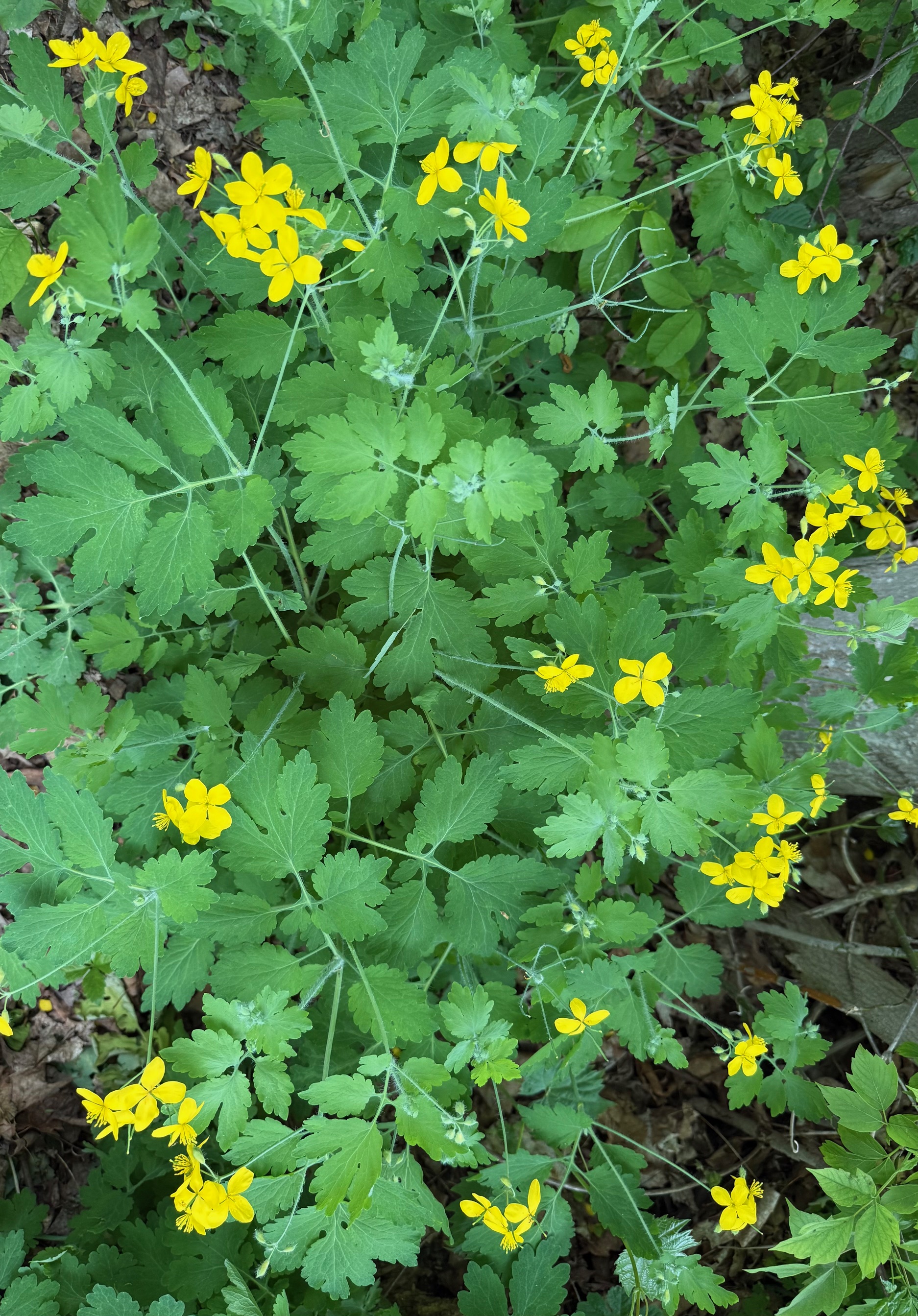
Greater Celandine: Greater celandine (Chelidonium majus) relies primarily on bees and hoverflies for pollination, as the flowers do not produce nectar and offer only pollen to foraging insects. Additionally, ants act as secondary pollinators and seed dispersers by carrying the plant’s seeds to their nests. It is not native and tends to be invasive.
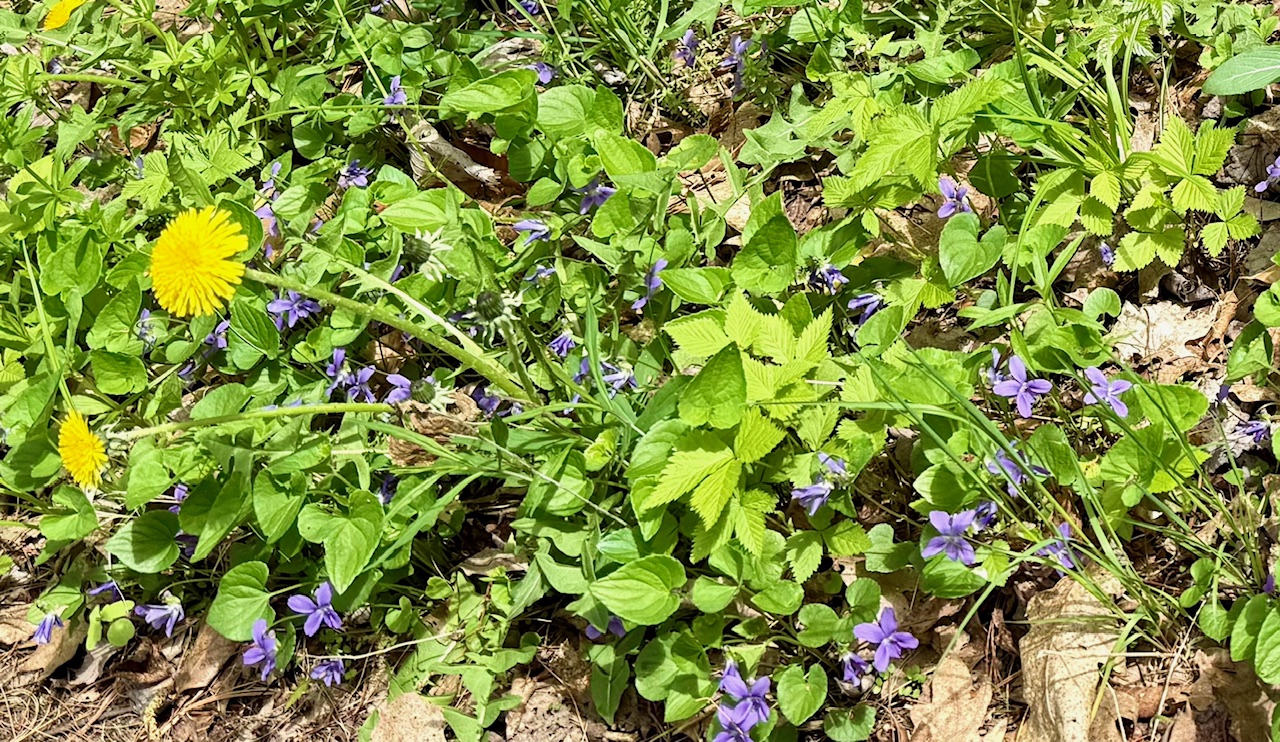
Violets & Dandelions: Both sides of the MRG are lined with dandelions which provide excellent forage for varied wildlife. Violets are hosts to the fritillary butterfly caterpillar, so we expect to see some fritillaries along the MRG this summer.
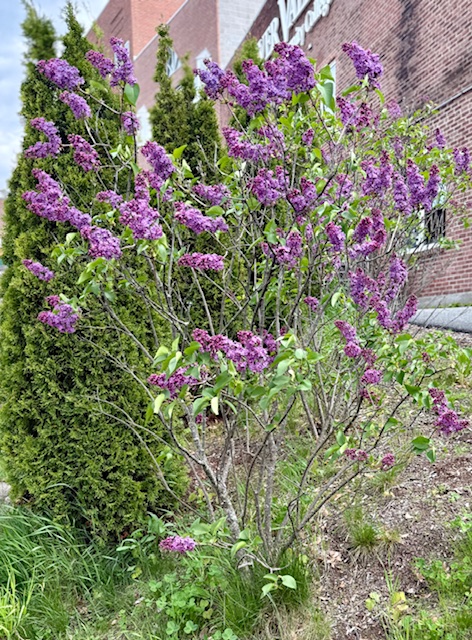
Lilacs are highly fragrant, early-spring bloomers that act as a major beacon for a wide variety of wildlife. Blooming in late spring, these nectar-rich flowers provide crucial early-season food for bees, butterflies, and hummingbirds. Because they naturally repel deer and rabbits, they can also serve as safe havens and nesting sites for local wildlife.
Be aware that there is a lot of poison ivy trailside!