One of many bright spots along the MRG! Many bees . . . and a rare sighting of a Monarch butterfly! (Monarchs have, unfortunately, been few and far between this summer.) These are some of the flowers sown by the Dartmouth Class of 1989 CHP Project. https://creatinghabitats.org
Local Hero Locates and Frees Hopelessly Entangled Victim!
On a recent steamy Saturday afternoon, while many of us were sipping iced drinks in front of our fans and air conditioners, local West Lebanon adventurer, Bart Guetti, set out on a quest to the western end of the MRG. His seemingly hopeless task was to locate an apple tree that had been planted in September 2019. Friends of Lebanon Recreation, Upper Valley Apple Corps, and other volunteers had planted it during Climate Strike Week in an effort to enhance MRG habitat..
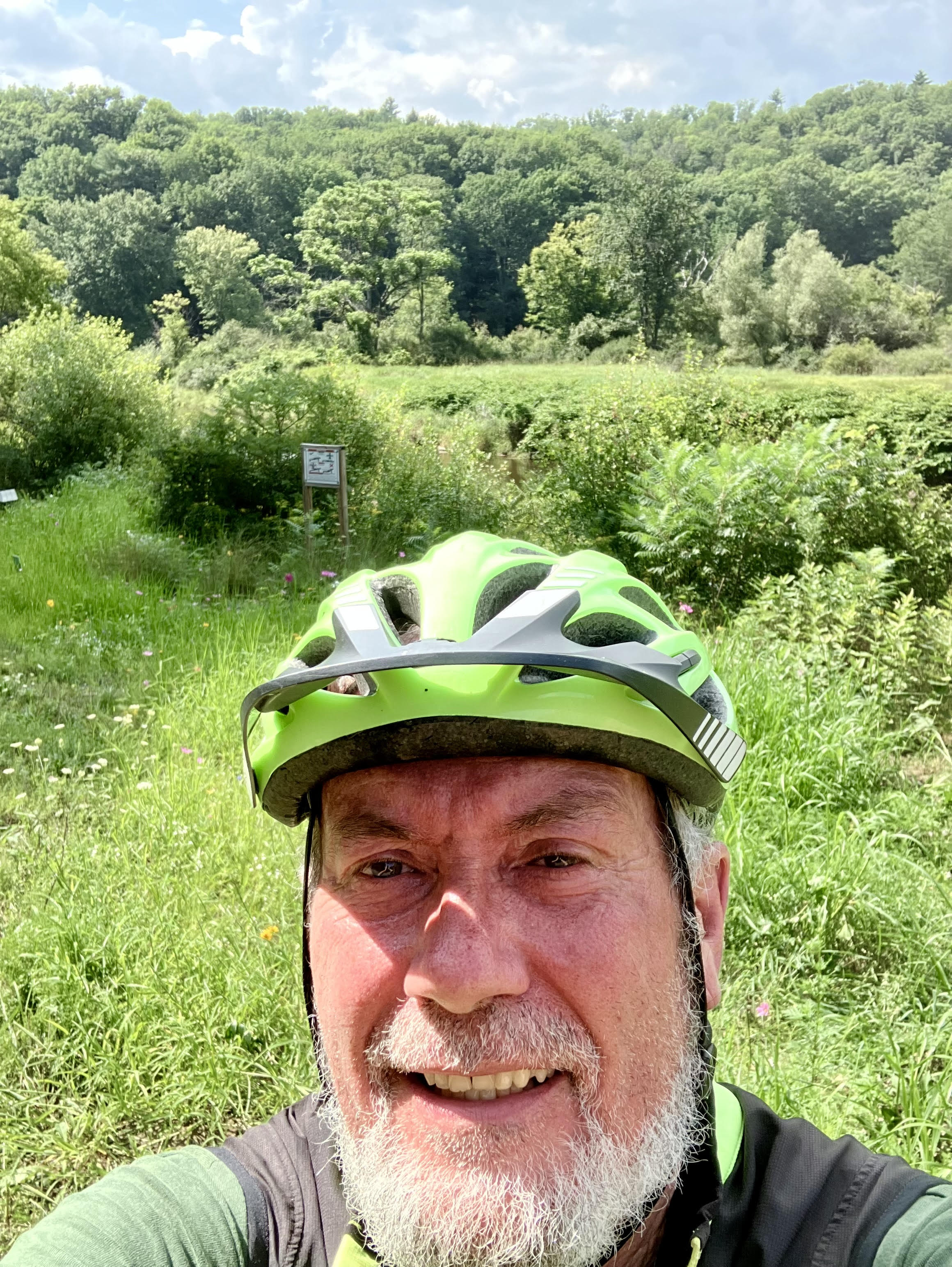
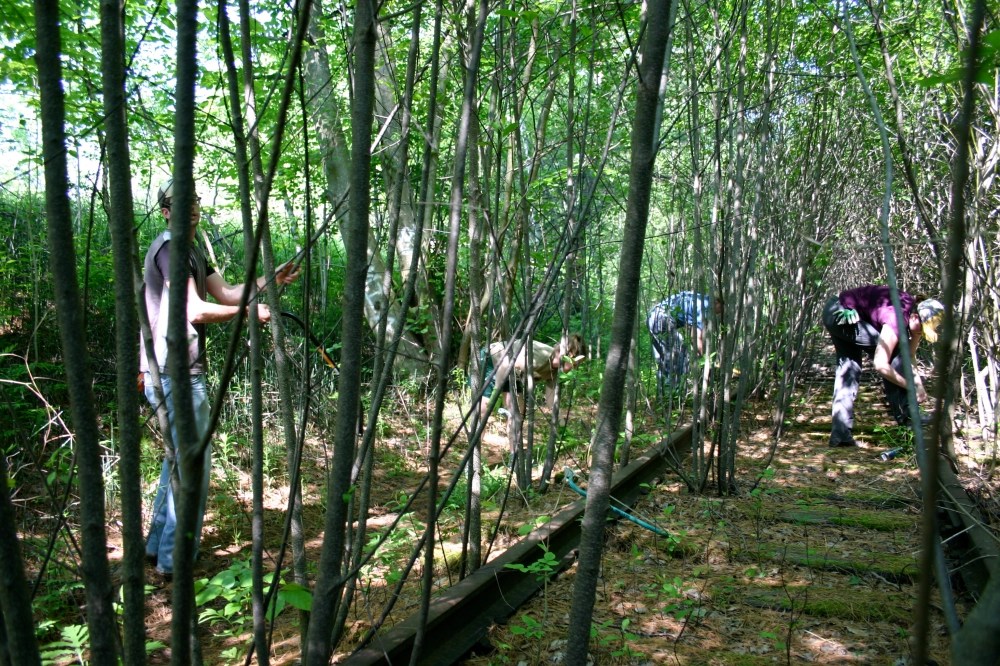
A veritable jungle had grown up around the apple tree, Thick vines had clambered atop, dominating the environment, and strangling whatever lay in its path. Were it not for the nearly invisible wooden stakes installed last year, and for the determination of our intrepid hero, all would have been lost. Venturing forth by bike, clad in safety vest and neon pith helmet, and armed with machete, he tripped among the vines, struggling, chopping, and eventually, freeing the victim. “Just in the lick of time. If I had not found it today, we never would have found it – the vines would have won!”
Here is a photo of the rescued Golden Russet apple tree (fondly dubbed “Russ” by our hero) after this stunning rescue. The vines that had clambered atop have been removed, as well as the surrounding tall grasses.
Thanks to Roger Lohr for sharing his photo of some of the pollinator plantings on the MRG behind the Miracle Mile. Roger writes: “The recent rain has helped flower gardens along the MRG in this photo that I took today. Been riding my bike 40 times since early June and it has been nice to see the blossoms coming along.” These are some of the flowers sown this Spring by Lebanon Mayor Tim McNamara’s Dartmouth Class of 1989 pollinator project. For more info see Creating Habitat For Pollinators. You can see more of their plantings at the Lebanon Airport and recycling facility and the West Lebanon Cemetery near Mt. Lebanon School.
Glad to know you are out there Roger, enjoying the MRG and stopping to appreciate the flowers.
For the first year since being planted in 2019, the two apple trees at the MRG overpass pollinator garden near APD, are heavily laden with apples. They are not quite ripe , but look healthy, and will be available as an organic snack in a few weeks. Thanks to all Friends of Lebanon Recreation, Upper Valley Apple Corps, and other volunteers who helped plant these trees 5 years ago!
MRG organic apple tree planting during Climate Strike Week in September 2019.
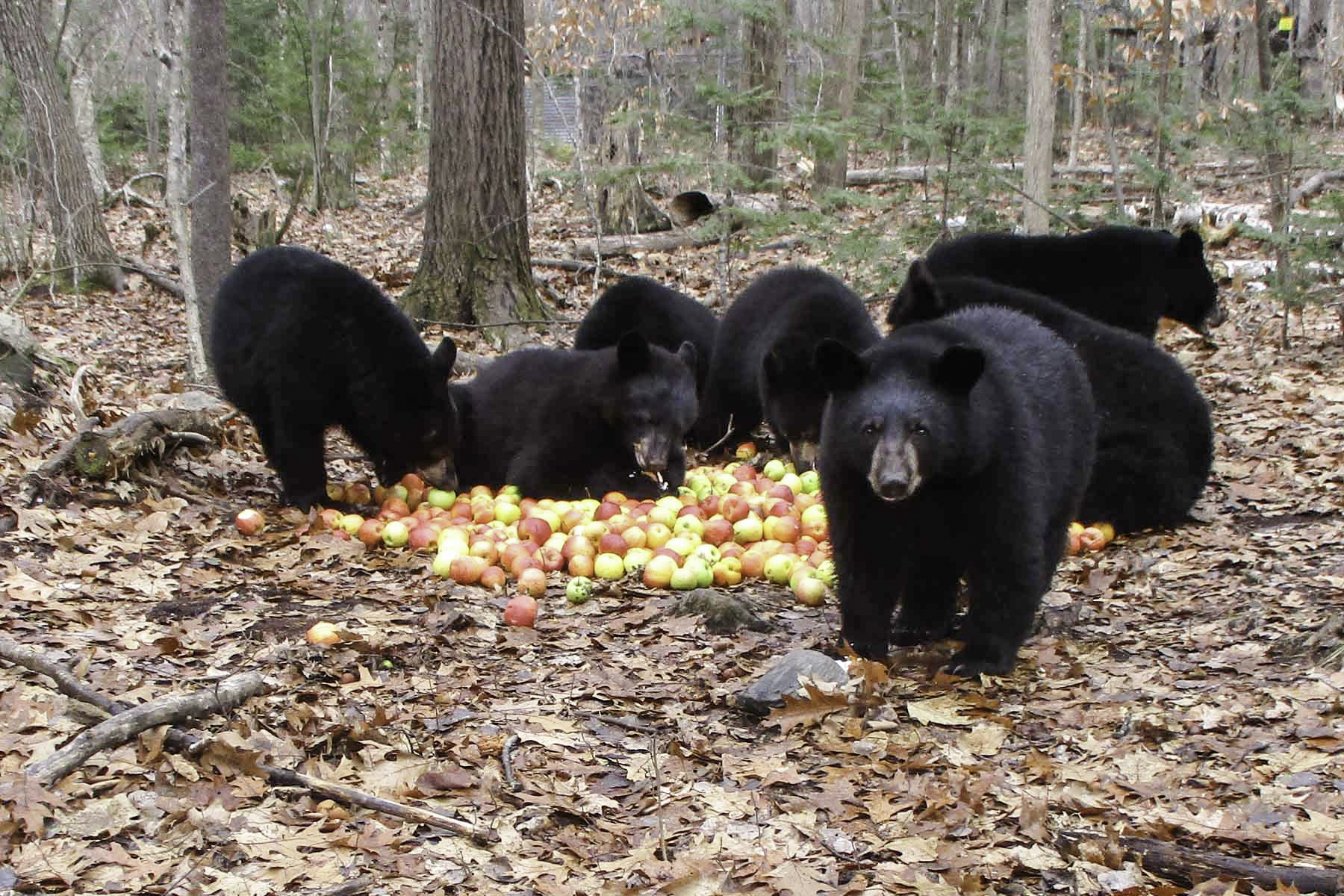
And, given the abundance of apples this year, might you have a supply that could help feed bears at Kilham Bear Center in Lyme, NH? They rehabilitate and release injured, orphaned, and abandoned black bear cubs . . some of which have been rescued in Lebanon. He has put out a request for apples:
There is a bin at the bottom of our driveway at 172 Grafton Turnpike Rd, Lyme, NH 03768. Thanks, Ben Kilham
Its been cold and gray with an occasional brilliant Spring day and then back to the cold and the gray. But there is hope as the daffodils appear in the Pocket Park by the tunnel. They are not native plants and may not be the first choice for many pollinators . . . they are there to lift the spirits of humans who have made it through the winter.
And behold: Bloodroot in the MRG Overpass Garden on Mascoma Street. Bloodroot is a perennial flowering plant native to Eastern North America. It has no nectar, but its pollen is sought by mining bees and sweat bees. Deer, woodchucks, and turkeys also use blooodroot as a food source. The flowers open their petals to the sun when the temperature reaches 46 degrees Fahrenheit. This was late afternoon and chilly; the petals were already closing.
In spite of the frost, there are still flowers in bloom mid-October: Sunflowers, Garlic Chives, Black-eyed Susans, and Asters, to name a few. Bees, wasps, and other pollinators continue to visit our MRG Pollinator Corridor, such as this bee on a Wood’s Pink Aster at Dysfuntion Junction. (Intersection of Mechanic, Mascoma, High streets.)
As you walk along the MRG, what do you notice? Learning the names of the life around us transforms the outdoors from a pastoral backdrop into a world of fascinating diversity, a parallel world of beings and relationships.
Mascoma River Greenway Plant Checklist
How many of these plants can you find along the MRG?
Trees
Red Oak
Maples – we have a few! Norway, Sugar, Red, Striped, & Box Elder
Beech
Elm
Basswood
Birch – we have a few!
Cottonwood
Aspen
Black walnut
Green ash
White ash
White pine
Hemlock
Willow
Sumac
Apple
Black cherry
Black locust
American hornbeam
Shrubs & woody vines
Witch hazel
Dogwoods – more than one species out there!
Elderberry
Grape
Flowering raspberry
Meadowsweet
Sweet-fern
Red baneberry
Blue cohosh
Blueberries
Virginia creeper
Poison ivy
Herbaceous plants
Goldenrod
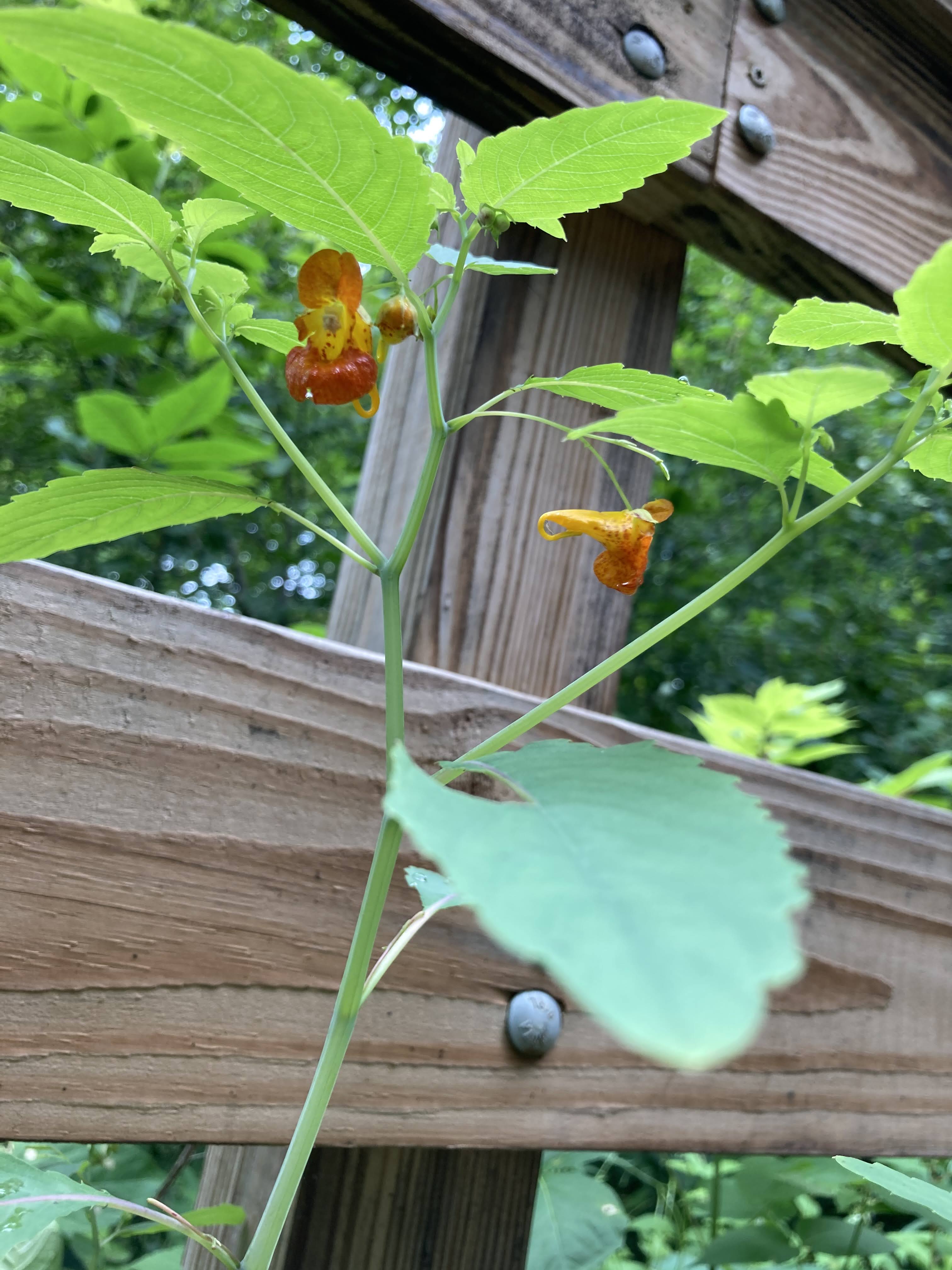
Jewelweed
Clover
Milkweed
Bee balm
Fleabane
Hemp dogbane
Yarrow
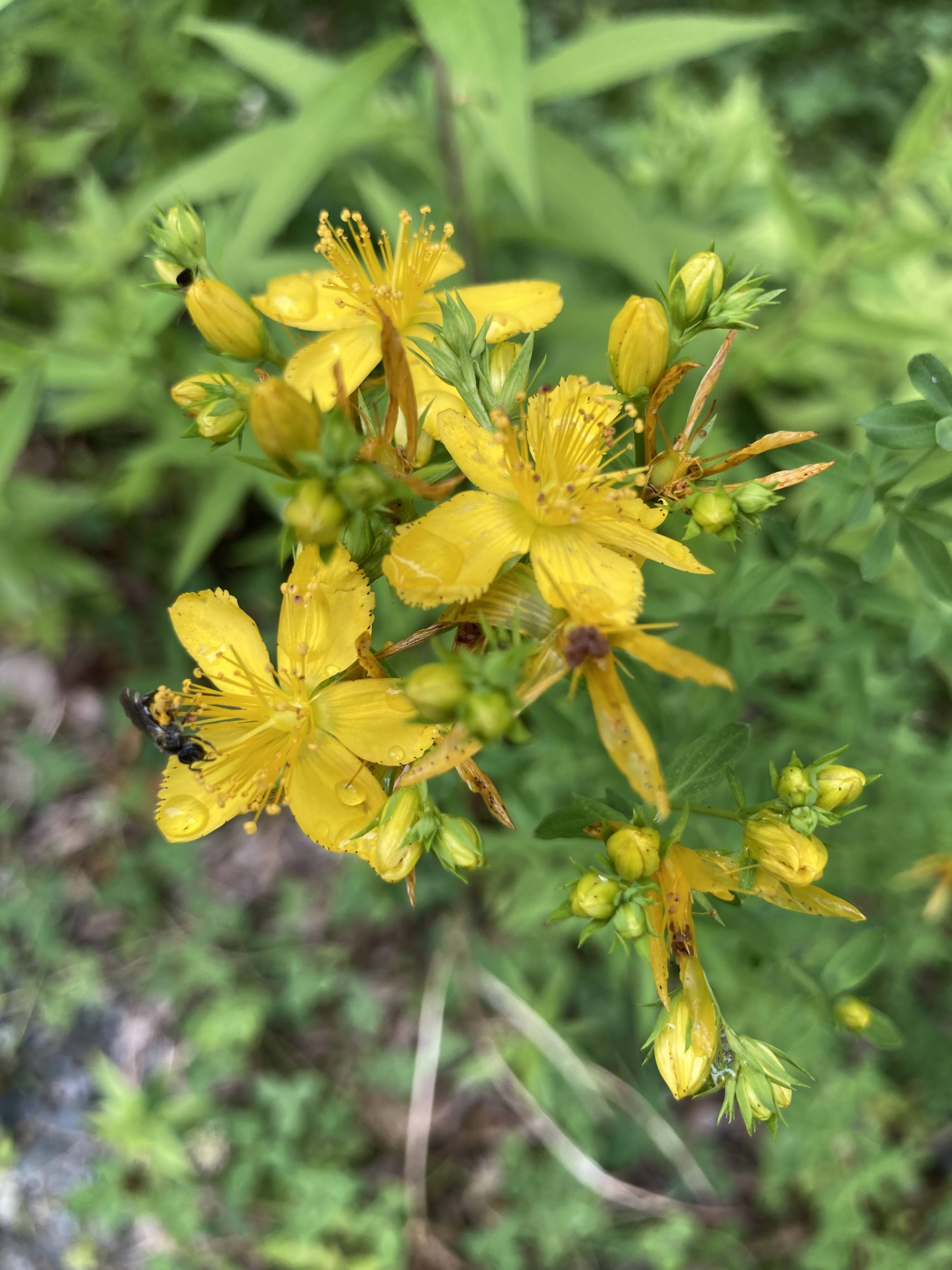
St. Johnswort
Common Mullein
Evening primrose
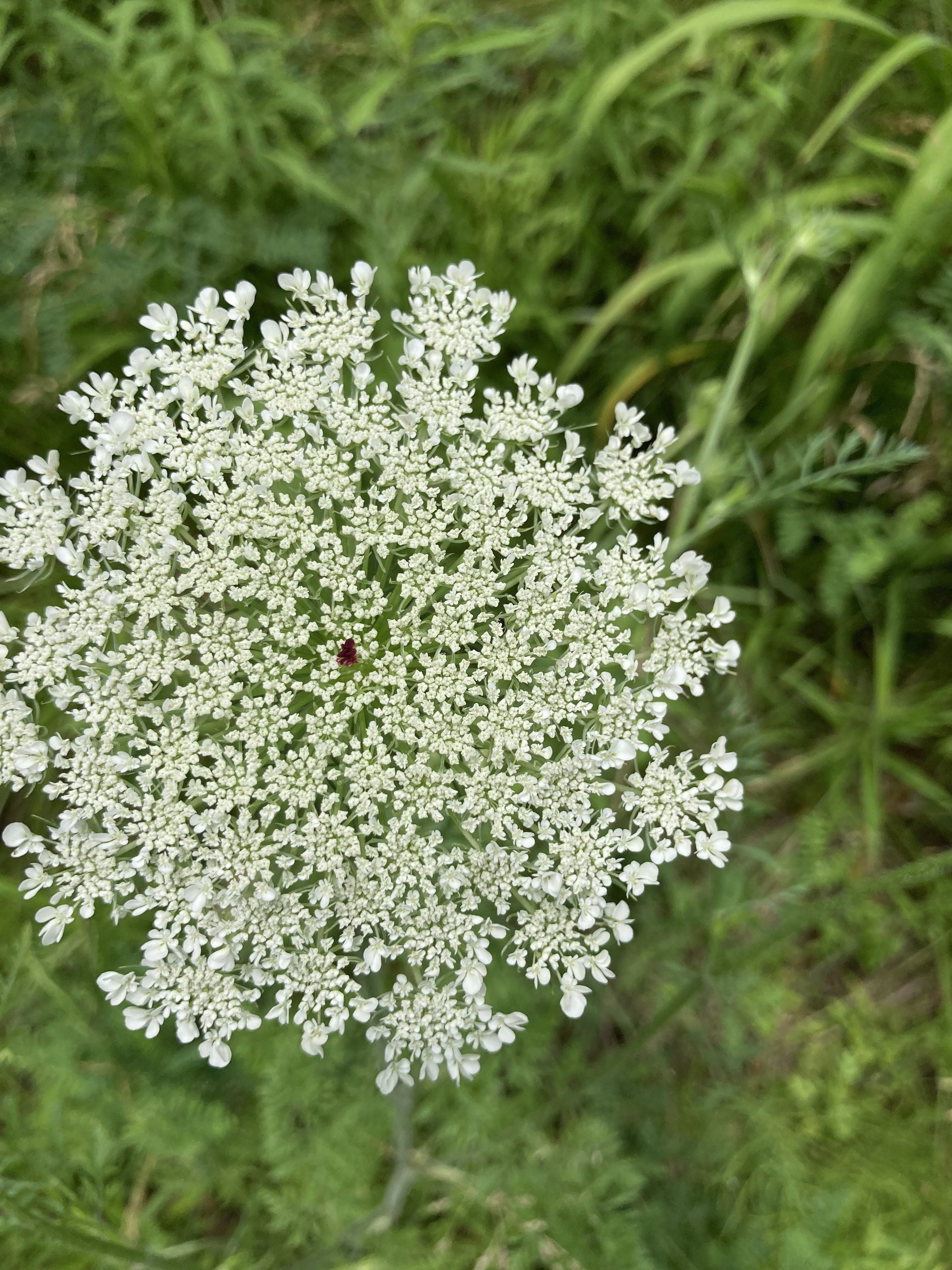
Queen Anne’s lace
Windflower
Day lilies
Meadow rue
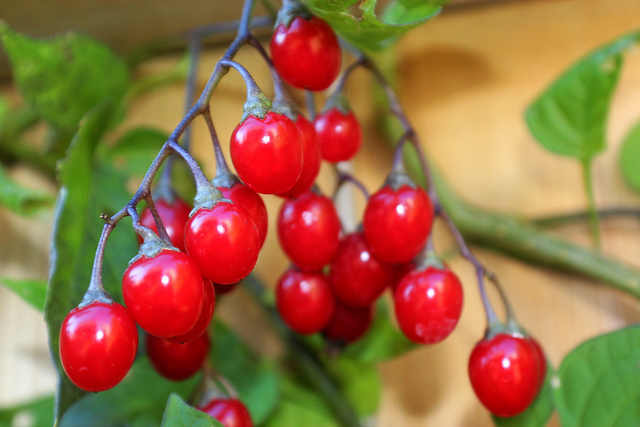
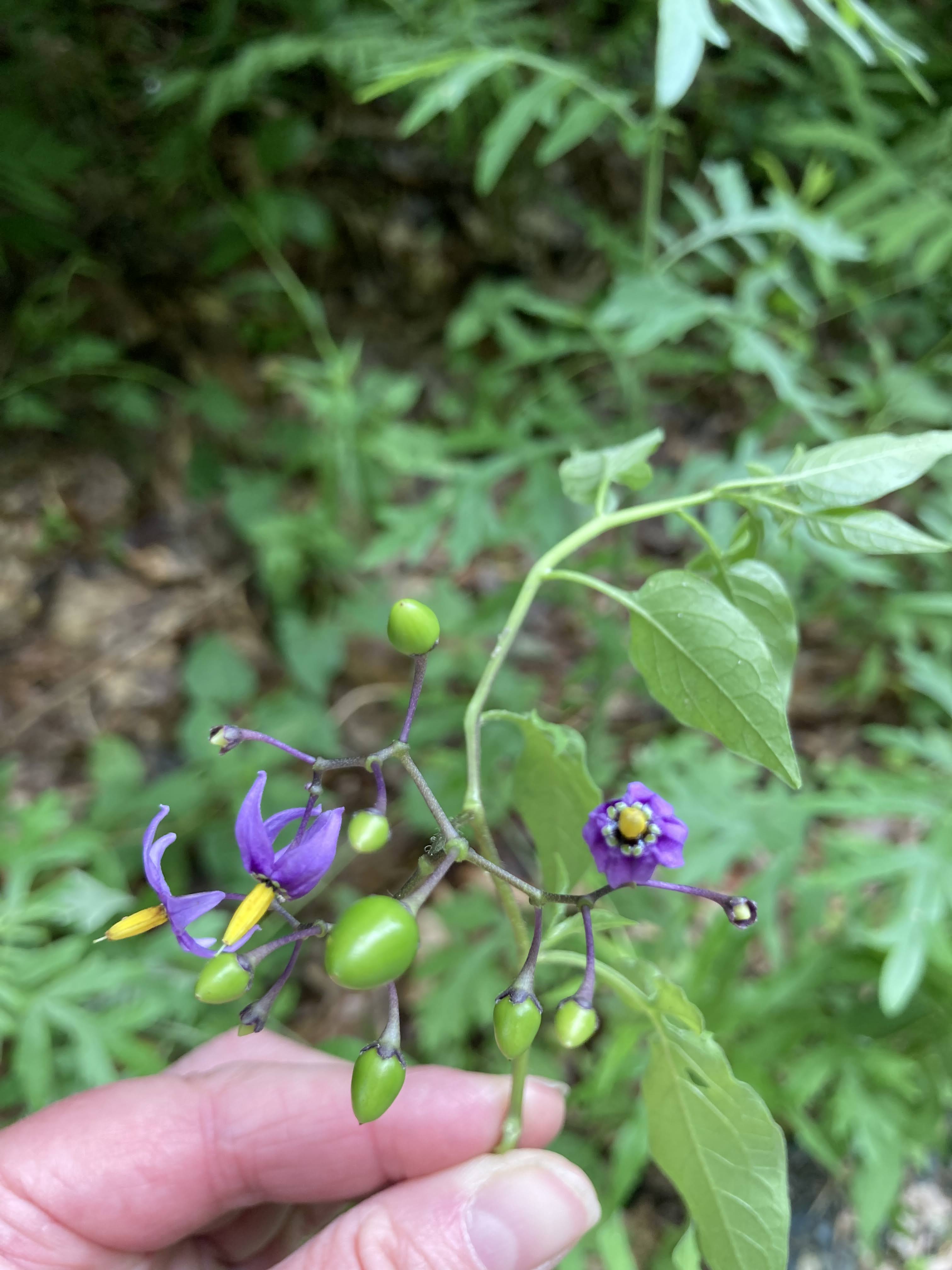
Climbing nightshade
Common heal-alls!
Native plants are hosts to native species of caterpillars, which in turn feed the birds many of us love so much. The National Wildlife Federation has put together a tool that shows you the wildlife value of many of the plant species growing along the MRG. Check it out! https://www.nwf.org/NativePlantFinder/
If you have a camera phone, try using iNaturalist or another app to help identify the plants you do not already know. Want a challenge? Find the pollinators!
Thanks to Sarah RIley for creating this list of some of the plant life of the greenway . . . and then there is fungi, moss, lichen . . . etc!
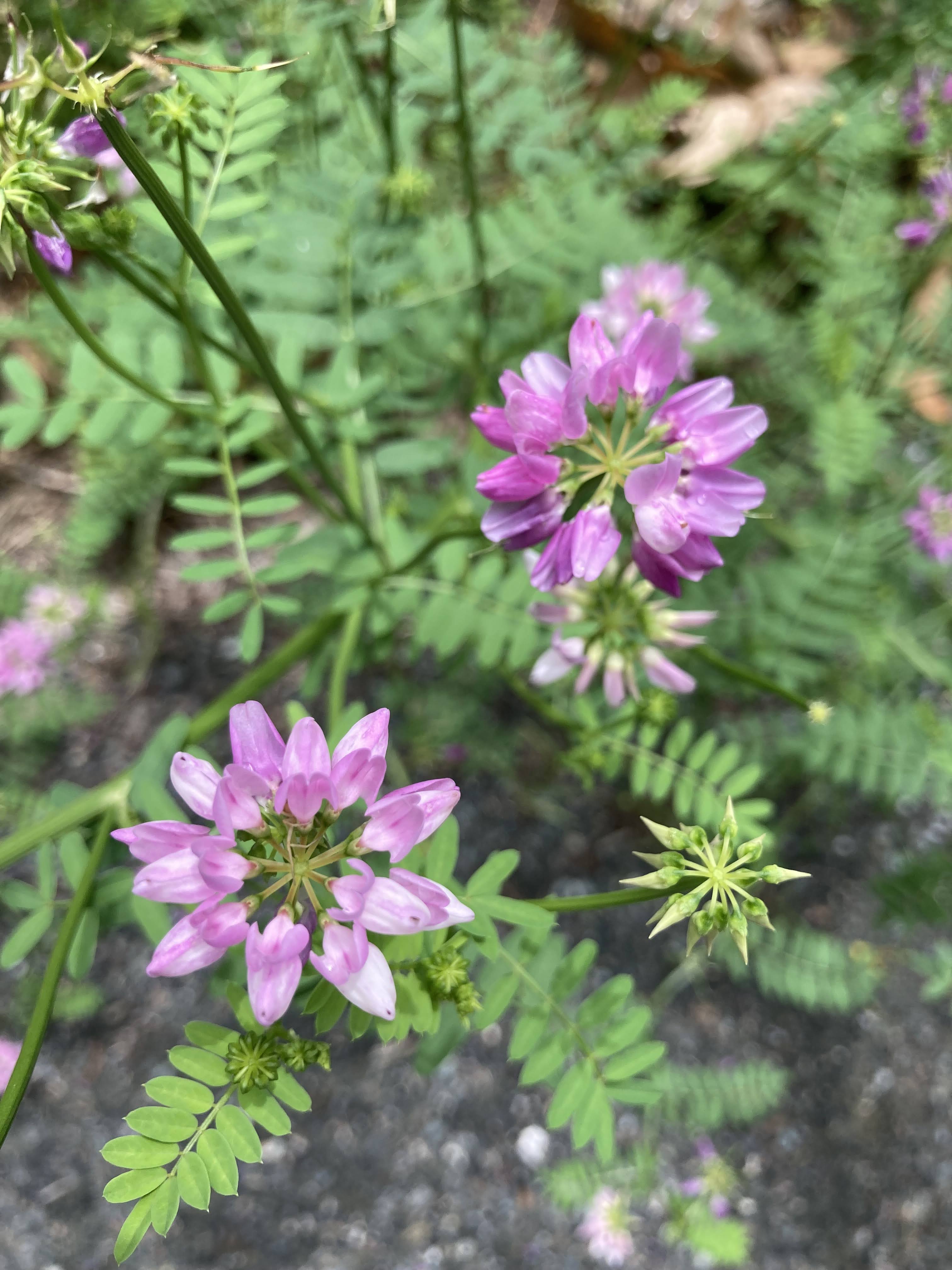
(Thanks to Sarah Riley for these wonderful wildflower photos from early July on the MRG.)
#1
#2
#3
#4
#5
#6
#7
#8
#9
#10
Can you match the photo to the name of the flower?
These flowers include: St. John’s Wort, Queen Anne’ Lace, Climbing Nightshade, Fleabane, Yarrow, Red Clover, Crown Vetch, Jewelweed, Common Milkweed, and Chicory. Scroll down for answers below.
________________________________
________________________________
________________________________
Answers: #1 Common Milkweed, #2 Fleabane, #3 Chicory, #4 St. John’s Wort, #5 Queen Anne’s Lace, #6 Crown Vetch, #7 Climbing Nightshade, #8 Jewelweed, #9 Yarrow, #10 Red Clover











 The Mascoma River Greenway