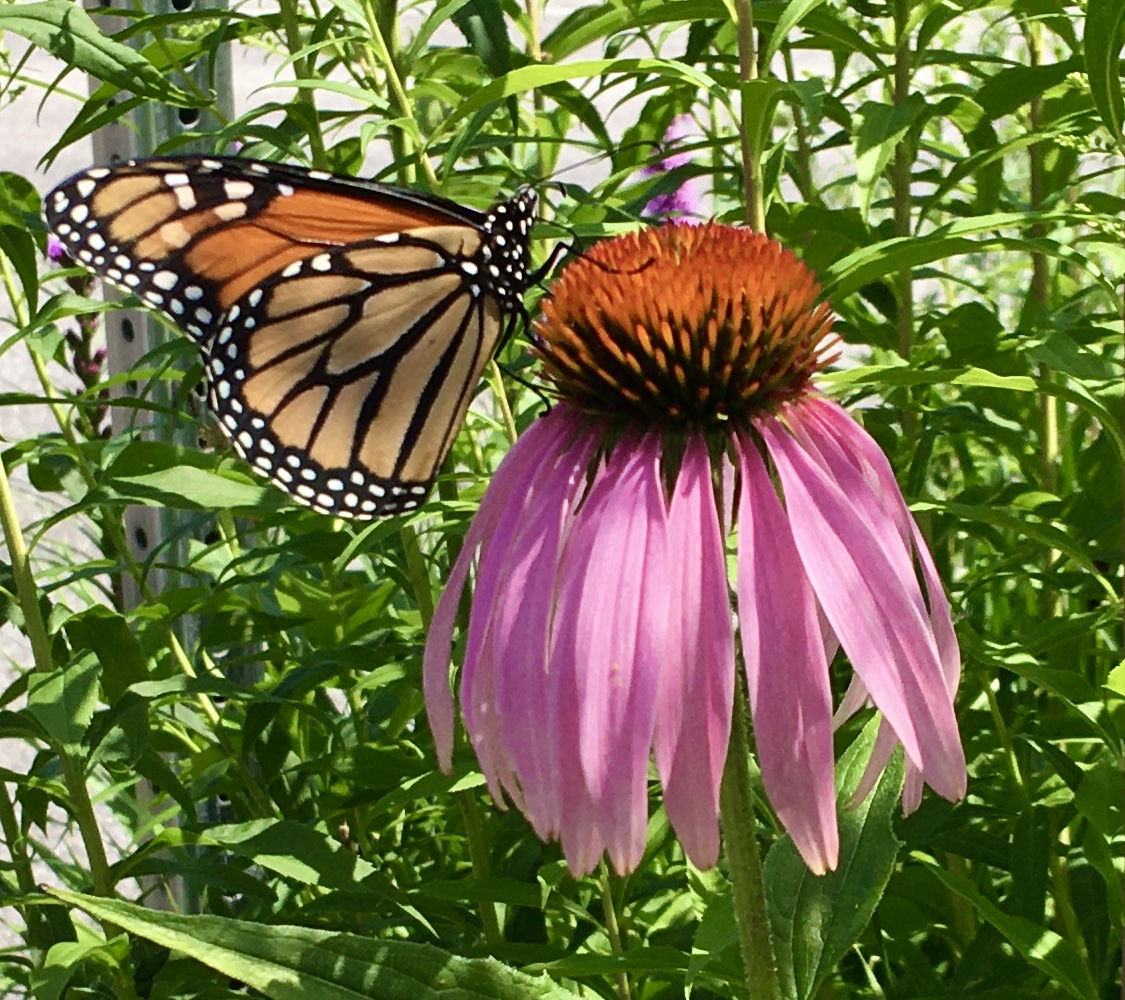
It was encouraging to spot this monarch butterfly at the MRG pollinator garden at the intersection of Mascoma and Mechanic streets. There has been a paucity of pollinators this season, but now that the purple coneflowers, scarlet bee balm, and black cohosh are in flower, we are seeing more pollinator activity.
Black Cohosh, also known as “Fairy Candles”, is an impressive pollinator plant native to New Hampshire. It can stand 8 feet tall . . . and, as you can see here, the bees love it!
A trishaw ride on the MRG this morning revealed an interesting phenomenon: many spring wild flowers are yellow! Thanks to Google, we now know that early pollinators are often flies with limited color perception. It is theorized that Spring pollinators are attracted to the contrast of white and yellow amid the dark greens.
Eastern Carpenter Bee on Dandelion
Native Golden Alexander
Greater Celandine, a non-native wildflower
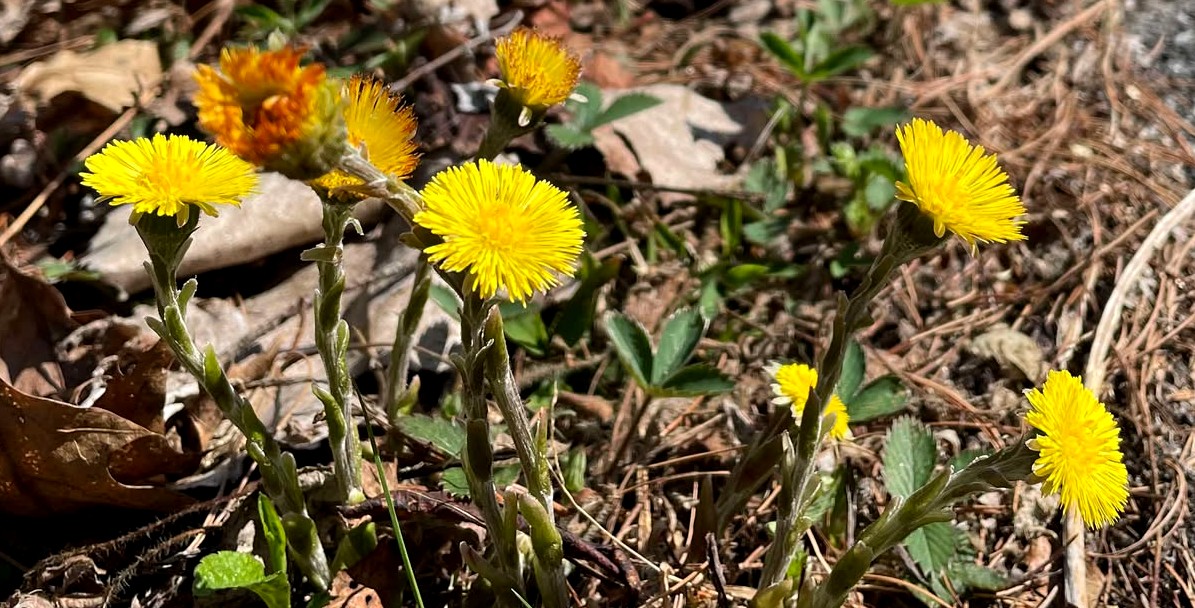
Early blooming Coltsfoot
Most Coltsfoot has now gone to seed.
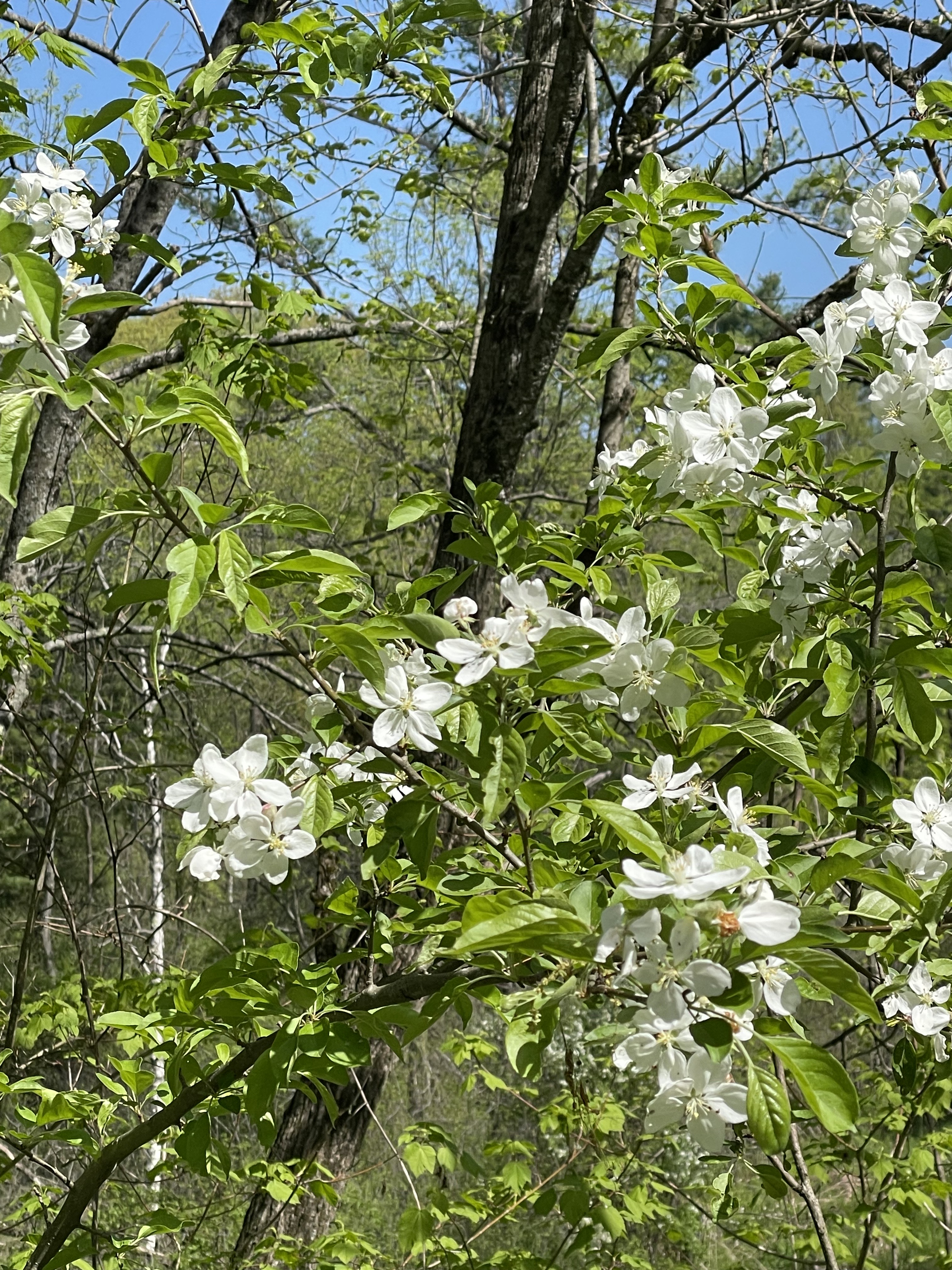
Apple Blossoms
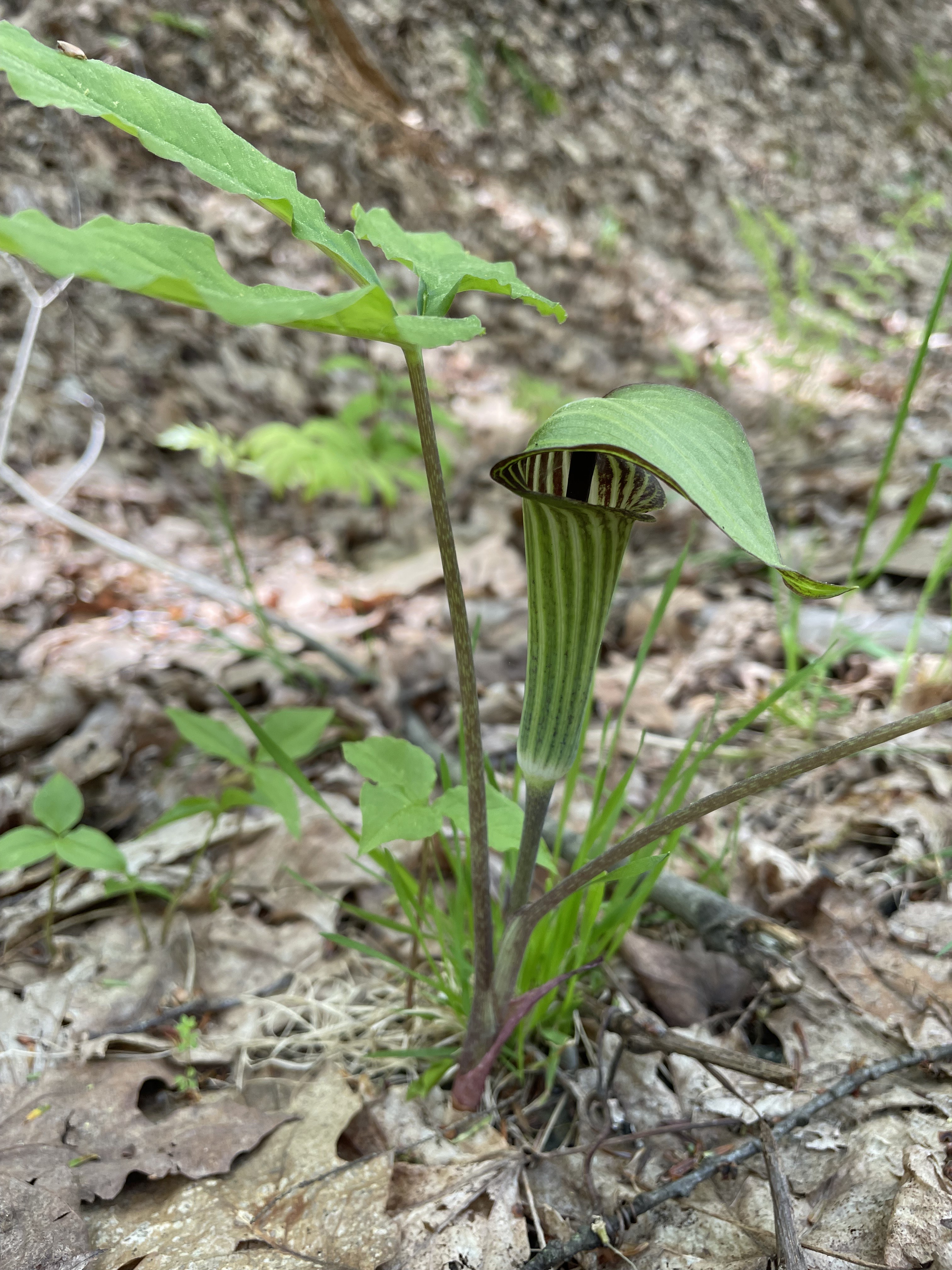
Jack-in-the-Pulpit . . . or is it Jill? Did you know that Jack-in-the-Pulpits can morph into Jill?
Chokecherry
Birds such as robins, thrushes, and jays are attracted to the berries that come later in the season. Bears, raccoons, chipmunks, and squirrels also consume the berries, but they are lethal to horses.
We saw honeysuckle, fiddlehead ferns, wild strawberry in flower, white and purple violets, purple flowering ground ivy, and much more. Birds were calling and a turtle on a log in a small pond behind the Miracle Mile was basking in the sun. Who would guess that this natural beauty was thriving behind that parking lot??? We spotted a goose couple on the bank of the river with their little goslings.
Many thanks to Trishaw pilot John Newman for a wonderful, uplifting ride and for all these great photos. How many different flowers can you find on the MRG this week?
For Info on scheduling a Trishaw ride on the Mascoma River Greenway or Norther Rail Trail in Lebanon or onbecoming a volunteer pilot check out this link
Colts Foot is currently blooming in abundance along the MRG . It is bright yellow and looks somewhat like a dandelion, and, similar to dandelions, Colts Foot flowers emerge before the leaves. The flowers provide nectar and pollen to hungry bees and flying insects in the spring before many other flowers have bloomed.
(Thanks to CSA trishaw pilot John Newman for this photo and the trishaw reconnaissance flight along the MRG!)
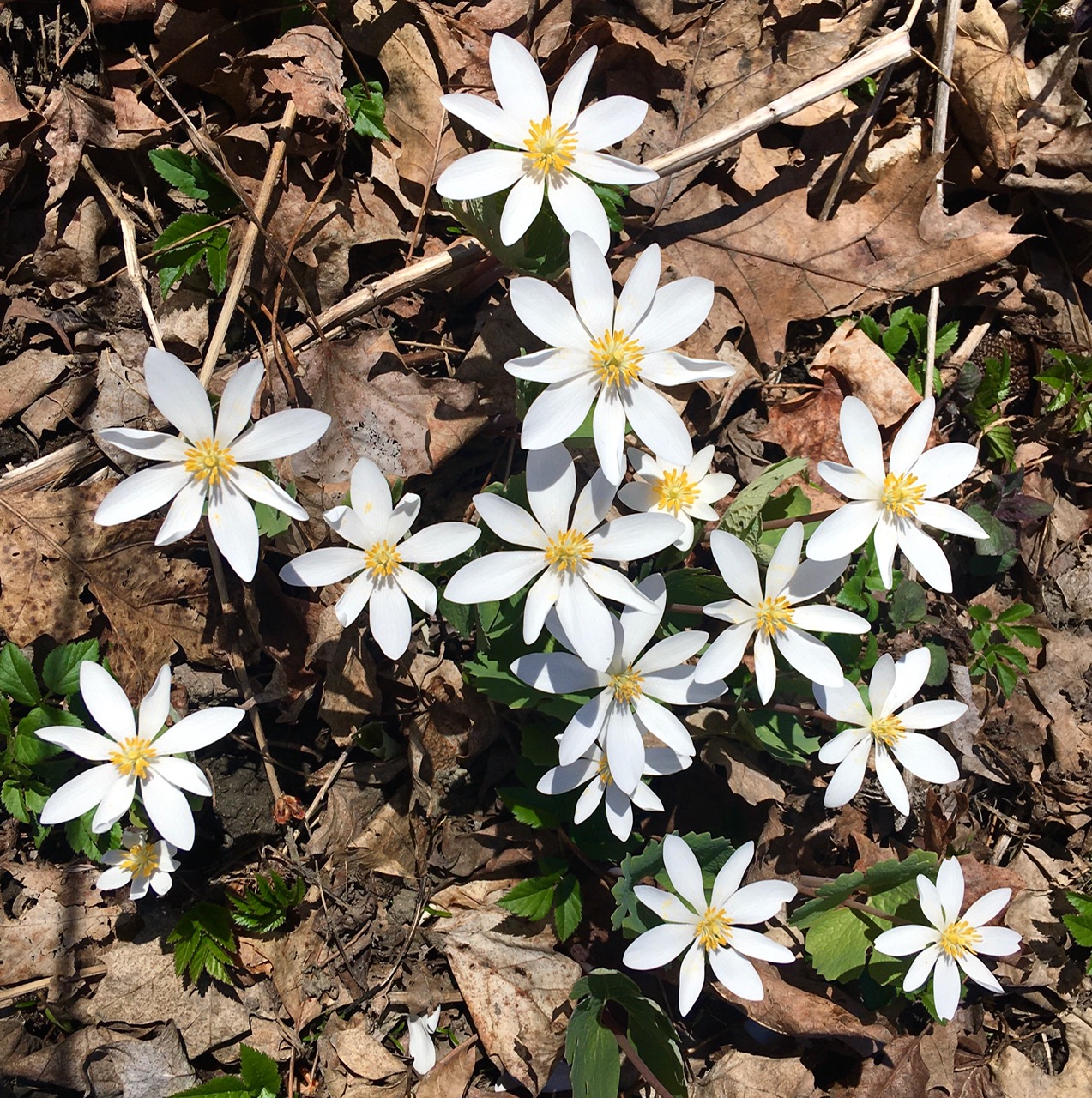
A lovely Earth Day treat to discover bloodroot blooming in the MRG Pollinator Garden near the overpass by APD. Bloodroot is a Spring ephemeral native to New Hampshire. The flower does not produce nectar, but the pollen is consumed by insects such as flies, bees, and beetles The seeds of the bloodroot provide food for ant colonies.
It was a surprise to come upon these hellebores in the Pocket Park by the MRG tunnel. Hellebores offer a valuable food source for insects, including bees and flies, particularly during early spring when other plants have not yet bloomed, .The downward-facing nature of many hellebore flowers offers protection to the pollen from winter rains and shelter for the insect while it feeds,
One of many bright spots along the MRG! Many bees . . . and a rare sighting of a Monarch butterfly! (Monarchs have, unfortunately, been few and far between this summer.) These are some of the flowers sown by the Dartmouth Class of 1989 CHP Project. https://creatinghabitats.org
Friday night’s heavy rain beat down the Joe Pye Weed at the MRG overpass pollinator garden, but that didn’t stop this American White Admiral butterfly from enjoying it. Interesting that the immature caterpillar wraps itself in a leaf that wards off freezing temperatures and protects it from hungry birds. How do they know how to do this?! We humans are so dependent in our early years!
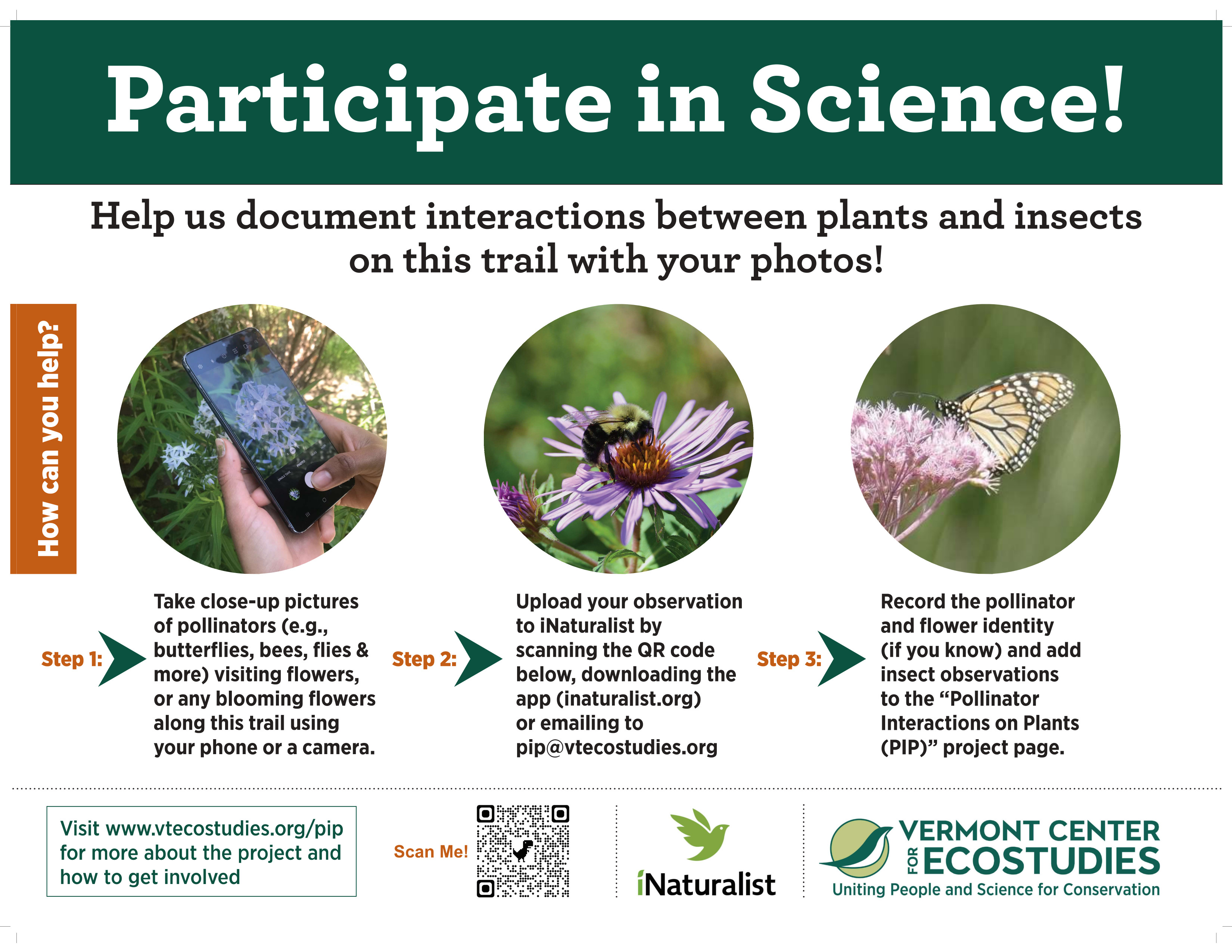
The Vermont Center for EcoStudies is launching a pollinator research program in the Upper Valley, and the MRG is part of that study. The Center is asking “citizen scientists” to report on pollinator sightings, sending photos and relevant info to either iNaturalist or to VT Center for Ecostudies. There is a sign by the tunnel inviting all to record their pollinator sightings.
You can register your pollinator observations by downloading the QR code above, downloading the iNaturalist app on your cell phone, or emailing your photo to pip@vtecostudies.org. Remember that, in this case what is important is a clear photo of the pollinator and flower. Be sure to label your photo “MRG”. It will be interesting to see what varied pollinators visit the MRG and which plants they seem to favor.










 The Mascoma River Greenway